
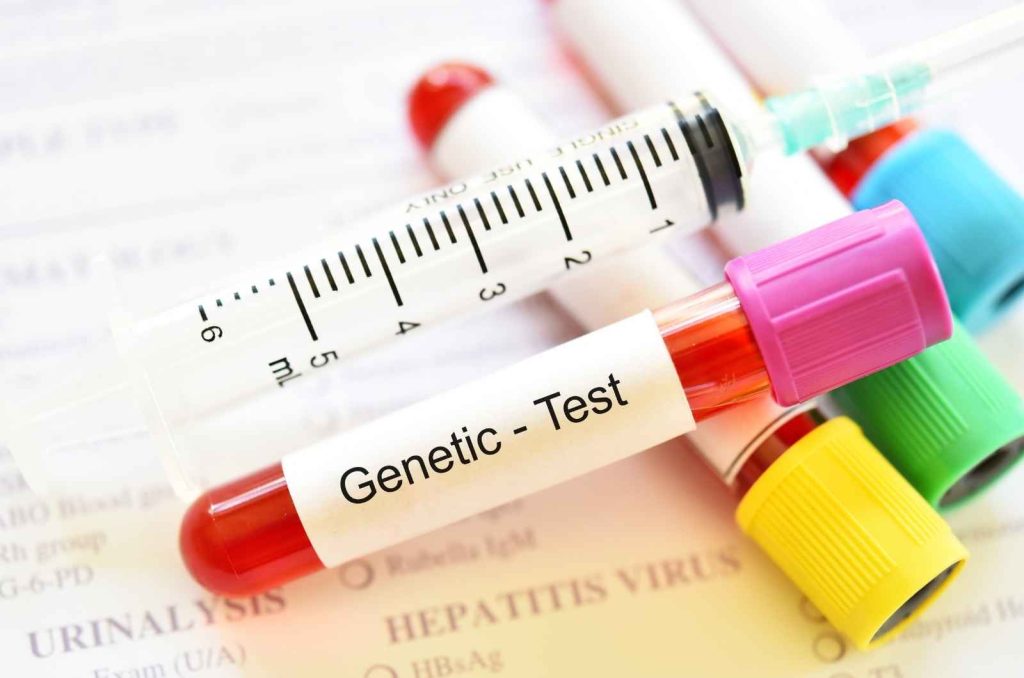
Genetic testing can provide many benefits. It may show if you are a carrier of a particular gene mutation, which is important for early detection of cancer. Genetic testing can help your doctor determine the best treatment for certain genetic diseases. Some diseases, like cancer, have no known cause. In this case, you will be able to take steps to lower your risk. If you've been told that you carry the BRCA1 gene, then you can expect to have a greater risk of getting this type of disease.
There are many benefits to genetic testing. Genetic testing can help you take preventive measures that could save your life. For instance, if you know that your family is susceptible to developing a particular disease, you can take preventive measures. Hemochromatosis is a genetic disorder in which your body absorbs excess iron. The extra iron can damage important organs like the brain, eyes, and heart. If you suspect that you may have hemochromatosis, you must undergo phlebotomy before consuming any iron supplements.
While genetic testing can reduce your risk of a disease, it may not be right for you. It is important that you understand the risks and benefits of the test. Some tests reveal information that you didn't know, which can be helpful in family planning or if you want to know the frequency of screening for specific diseases. Other tests might reveal unexpected results that may not prove to be useful. For this reason, you should talk to a trained genetic counselor before you have the test done.
Genetic testing has its pros and cons. It may reduce your risk of developing certain conditions, help you plan for your family, and allow you to make informed decisions about how often you should be tested for certain conditions. If you are considering undergoing genetic testing for a family planning issue, the benefits far outweigh the cons. Genetic testing shouldn't be a deterrent. If you're considering conceiving, you'll want to find out the results of the test to determine the best course of action.
A genetic counselor can help you and your family understand the results of a gene test. The genetic counselor will ask you questions about your family history and health. The genetic test results will help your doctor calculate your risk and determine how much your insurance will cover. A genetic test is recommended if you have a family history with a particular disease. It will determine if the disease is passed down from one generation to another or if it was a random event. This test is a great benefit.
The most important benefit of genetic testing is its simplicity. It is easy and inexpensive, and you don't need to prepare for it. You may be able to tell whether the disease you're prone to is passed on to you by chance or through a family member. It is also useful for those with a family history of inherited diseases. This can be very valuable for insurance companies. Genetic testing is easy, even if you aren't sure of its benefits.
Genetic testing can be beneficial for you and your family but it can also cause problems in your daily life. Negative results, such as those that indicate you are at higher risk for a certain disease, may not be indicative of a higher likelihood. They may only indicate an average level of risk. Your risk of developing cancer depends on your lifestyle, environment, and medical history. You can still get a genetic test to see if you have any relatives with a disease. This may be something your doctor can recommend to insurance companies.
If you're not sure if your family has inherited a specific disease, genetic testing can help you determine if you're at risk for it. It can also reveal if you are predisposed to a particular type of cancer or if you have a particular symptom of another condition. Unlike prenatal tests, genetic tests don't require much preparation. For testing, a blood sample or buccal smear is taken. Once you have the results, you may be able proceed with treatment.
for more information: genetic testing