
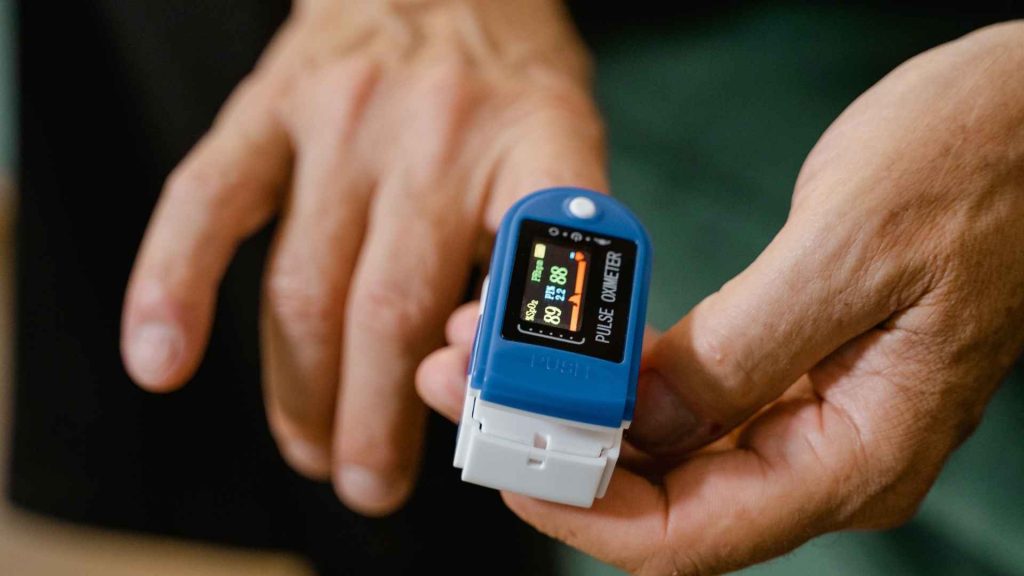
Pulse oximetry, a medical device that measures oxygen carried by red blood cells, is called a pulse oximetry. It is also used for diagnosing lung diseases and assessing treatment options. Although it's not clinically accurate pulse oximetry can be used to assess blood oxygenation. It is quick, painless, and has no risks. However, in the case of an emergency, a physician might want to use a medical saturation monitor.
Pulse oximetry technology is very simple. It measures blood oxygen levels by measuring the changes in light absorption. It measures oxygen in the blood, and can tell the patient's heart rate or oxygen saturation. It is very accurate and is used to diagnose several medical conditions. Fingertip versions of the monitor are becoming more common in home care and general wellness settings. They are a reliable way for patients to check their blood oxygen levels.
A pulse oximeter is not medically useful, but it is important to understand the concept of this device. It is a medical device that measures oxygen content in red blood cells. It is a non-invasive, simple device that doesn't require a blood sample. The screen shows the level of oxygen saturation in red blood cells. This information can be used for diagnosing if a patient requires supplemental oxygen. The saturation number does not equal the pO2 value. This is determined using a sample from an artery. Therefore, it is important to discuss the value with your doctor before making a decision.
The pulse oximeter measures oxygen saturation in the body. It doesn't need to be drawn from blood. On the screen, a person's oxygen saturation will be displayed. The reading shows how much oxygen has been absorbed by the red blood cells. This information can help determine if a patient has a need for supplemental oxygen. The saturation value is different to the pO2 values, which are calculated by drawing blood from the vein. Ask your physician about the meaning of the values.
Pulseoximetry measures the oxygen level in the blood. It is noninvasive and non-invasive. It uses two wavelengths light to measure the oxygen level. The pulseoximeter monitors the oxygenation in the body quickly, efficiently, and economically. It can be used in both professional and home care settings. But be aware that pulse oximetry is not completely accurate and that it is not a substitute for arterial blood gas analysis.
How can an spo2 monitor help you?
An spo2 monitor can diagnose COVID-19, which is a condition characterized by low blood oxygen. A person's Sp02 level can be determined through a series of tests. The best way to determine if someone has COVID-19 is to measure their blood oxygen levels. If the oxygen levels are lower then normal, a pulseoximeter is able to detect it.
This monitor is a handheld device which uses light absorption technology to measure oxygen saturation levels in the blood. It displays information on a display that shows the oxygen level in the blood and the heart rate. People with COVID often require supplemental oxygen to avoid dehydration. A pulseoximeter is a useful tool for monitoring COVID and can be used at home. It is an inexpensive and simple way to assess the oxygen level of a patient.
An Spo2 monitor doesn't require a blood sample, unlike a pulseoximeter. It measures the oxygen saturation in red blood cells. These results can be used to diagnose conditions and determine if a person needs additional oxygen. An oximeter doesn't require a blood sample. An spo2 monitor may be the right option for you.
A pulse oximeter measures oxygen levels in blood. It doesn't require blood, so there's no need to worry about getting blood samples or a needle stick. A pulse oximeter, which can monitor oxygen levels in an individual's blood, is a handy device that you can keep at home. For COVID patients, a pulse oximeter is also available. This device can be used to monitor oxygen levels in patients.
For more information on Spo2 monitors, click here: spo2 monitor by CardiacSense